
MODEX 2026 and the Real Bottleneck in Hardware
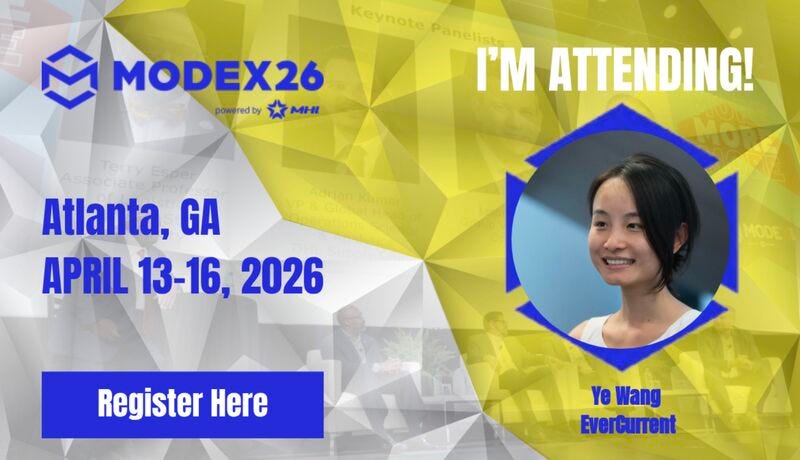
This week, the hardware and supply chain world will converge in Atlanta for MODEX 2026. Like most industry events, it will be filled with conversations about automation, resilience, and speed. Every company wants to move faster. Every team is being pushed to do more with less.
But there’s an uncomfortable truth sitting underneath all of it:
The biggest constraint in modern hardware and supply chain operations isn’t technical capability. It’s coordination.
The Hidden Tax on Hardware Teams
Spend time inside any scaling hardware organization and a pattern emerges quickly. Engineering, sourcing, operations, and external partners are all individually competent. In isolation, each function works.
The problem shows up in the gaps between them.
Critical data lives in too many places. Engineering updates sit in one system, supplier communications in another, pricing changes in email threads, and production timelines in spreadsheets that are already outdated the moment they’re shared. Contract manufacturers operate on partial context. Internal teams make decisions based on stale information.
What follows is a constant, low-grade friction (low rate taxation) that compounds over time
Misaligned expectations across teams
Delayed decisions due to incomplete information
This is the “communication tax” that hardware teams quietly pay every day. And at scale, it becomes a six-figure problem surprisingly fast. Read more here
Why Agility Feels So Hard
Everyone talks about agility. Fewer people define what actually prevents it.
Agility in hardware isn’t just about moving faster. It’s about maintaining alignment while moving faster.
That’s where most teams break.
When information is fragmented, speed amplifies chaos instead of progress. You don’t just move quickly, you diverge. Teams start solving for their local context instead of the global picture. External partners drift out of sync. Small discrepancies turn into major delays.
The result is a system that looks busy, but not necessarily effective.
Rethinking the Workflow Layer
If the core issue is fragmented visibility, then the solution isn’t just better tools within each function. It’s a layer that connects them.
This is the direction we’ve been building toward at EverCurrent.
Instead of asking teams to manually chase updates across systems and stakeholders, we act as a continuous layer of intelligence across the workflow. By pulling signals from disconnected sources—internal tools, vendor communications, and contract manufacturers—we create a unified, real-time picture of what’s actually happening.
Not what was true last week. Not what someone assumes is true. What is true right now.
That shift does two things:
First, it reduces the cognitive load on teams. Engineers don’t have to hunt for updates. Operations doesn’t have to reconcile conflicting inputs. Leadership doesn’t have to guess which version of reality is correct.
Second, it restores alignment across the system. Everyone, from internal teams to external partners, operates off the same source of truth. Deadlines, pricing, and dependencies become transparent instead of negotiated through back-and-forth. Read more here!
What to Talk About at MODEX
If you’re heading to MODEX this year, the most valuable conversations won’t just be about new technologies. They’ll be about how organizations are structuring themselves to actually use those technologies effectively.
A few questions worth asking:
Where does critical information break down in your workflow today?
How much time is your team spending reconciling data instead of acting on it?
How often are delays caused by misalignment rather than technical blockers?
These are not edge cases. They are systemic issues that define how fast a company can operate.
Let’s Connect in Atlanta
I’ll be in Atlanta from April 13–15 and would love to meet others thinking deeply about these challenges. Whether you’re scaling production, managing complex supplier networks, or just trying to make your internal workflows less painful, there’s a lot to unpack here.
If you’re attending, feel free to grab a time with me!
The future of hardware isn’t just faster systems. It’s more aligned ones.